



In geology, a rift is a linear zone where the Earth's crust and lithosphere are being pulled apart and is an example of extensional tectonics
Typical rift features are a central linear downfaulted depression, called a graben, or more commonly a half-graben with normal faulting and rift-flank uplifts mainly on one side. Where rifts remain above sea level they form a rift valley, which may be filled by water forming a rift lake. The axis of the rift area may contain volcanic rocks, and active volcanism is a part of many, but not all active rift systems
Major rifts occur along the central axis of most mid-ocean ridges, where new oceanic crust and lithosphere is created along a divergent boundary between two tectonic plates
Failed rifts are the result of continental rifting that failed to continue to the point of break-up. Typically the transition from rifting to spreading develops at a triple junction where three converging rifts meet over a hotspot. Two of these evolve to the point of seafloor spreading, while the third ultimately fails, becoming an aulacogen
 geosynclines
 سن نسبی
 What is Petrified Wood
 دوره های زمین شناسی
 کتاب زمین شناسی تاریخی استاد محمدرضا کبریایی
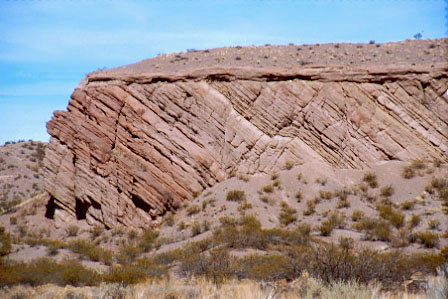 unconformity
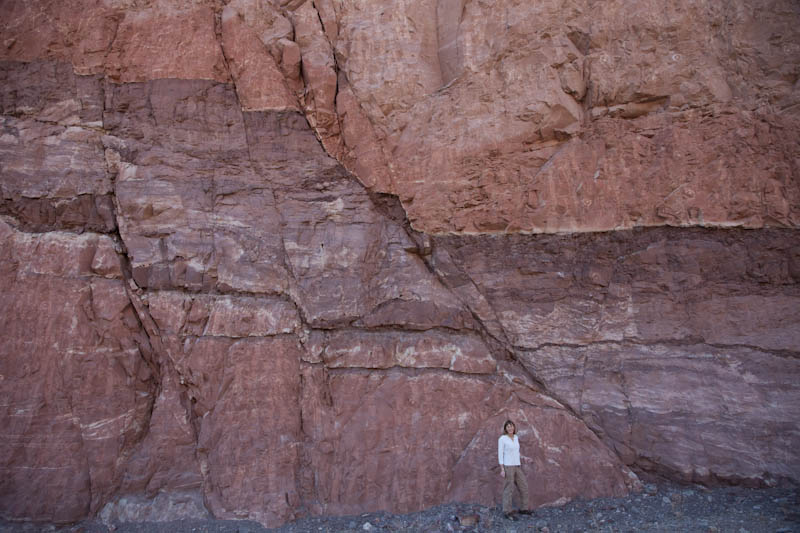 Fault
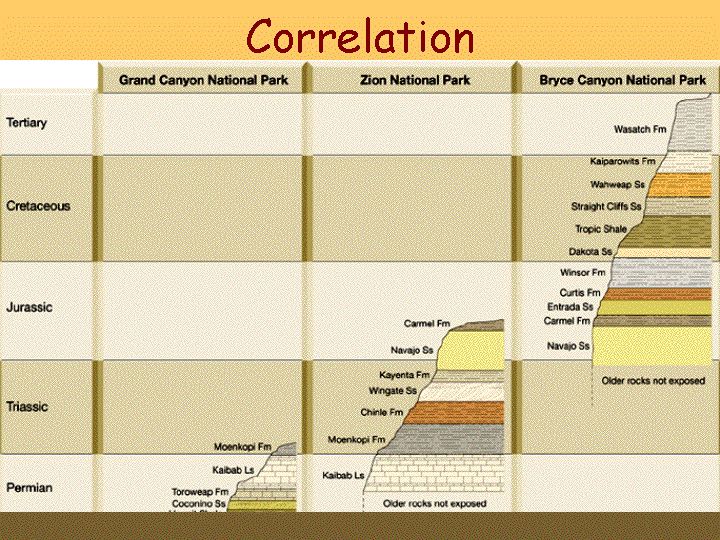 Correlation
 BIF
 ساختار زمین
 کهکشان آندرومدا
 کهکشان مارپیچی
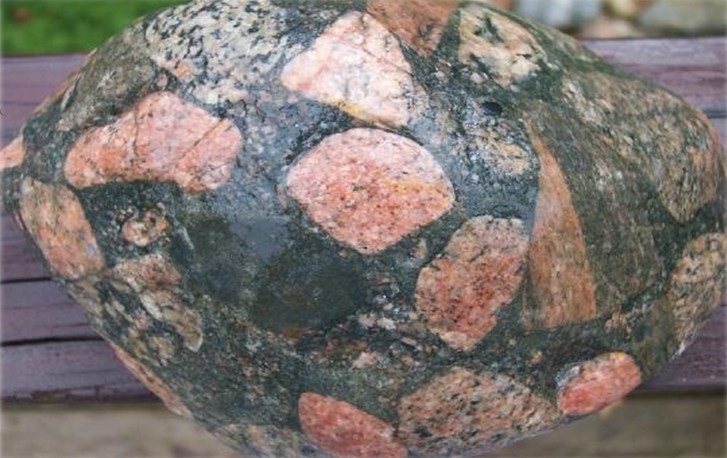 مراحل دگر ریختی
 Monitoring Bárðarbunga and Holuhraun
 اطلس آتشفشان های جهان
 دوره های زمین شناسی